Experimental and Numerical Optimization to Lower UAV Acoustical pollution

Project summary
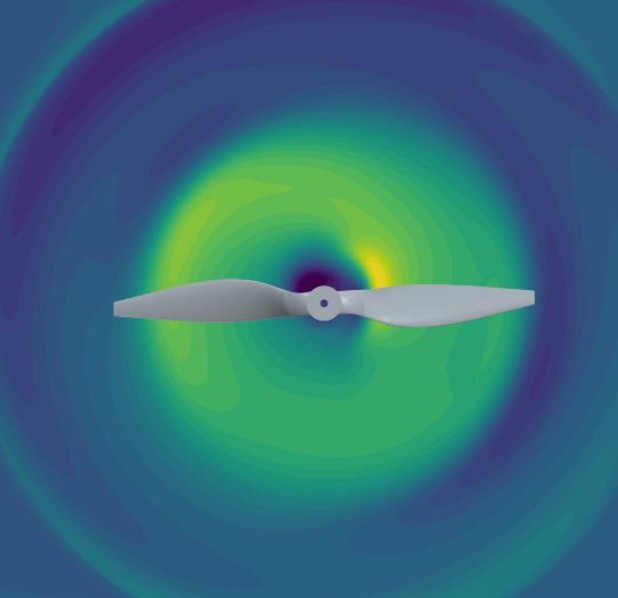
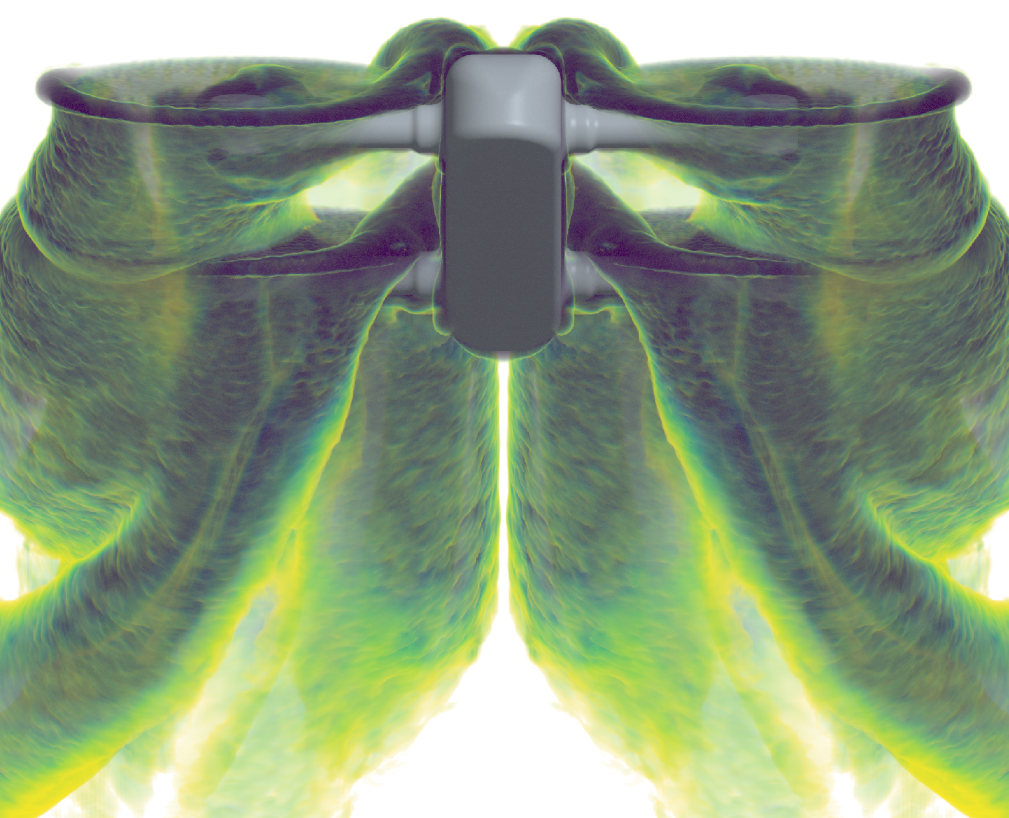
The ENOLA project aims to develop and validate robust numerical tools and experimental methodologies to predict and reduce the acoustic pollution generated by Unmanned Aerial Vehicles (UAVs). The core of the project is to create an “acoustic digital twin” of a modular UAV by combining multifidelity simulations with extensive experimental validation, enabling the optimization of UAV design for lower noise emissions without significantly compromising aerodynamic performance. The advantage of a single custom modular UAV supporting different design choices (propeller diameter, number, spacing, etc.) is that a fair comparison can be performed.
Motivation and background
Unmanned Aerial Vehicles (UAVs), or drones, are seeing rapid growth in professional applications like filmmaking, agriculture, delivery, surveillance, rescue operations, etc. Their future deployment in urban areas for is thus expected to bring significant benefits. However, a major barrier to this expansion, particularly in cities, is the noise pollution they generate. Psychoacoustic studies have shown that the noise from UAVs is significantly more annoying than that of road vehicles at the same sound level, due to its high-frequency content and unsteady nature.
Currently, there is a lack of systematic studies on how UAV design and operational parameters affect noise emissions. While some numerical methods exist, they often lack experimental validation and are not integrated into a holistic design workflow. The starting hypothesis of ENOLA is that it is feasible to integrate comprehensive noise assessment into the UAV design and operation workflow using a validated, multifidelity approach.
Objectives
- Develop and experimentally validate multifidelity models to predict the performance and noise of isolated UAV propellers.
- Optimize the design of UAV propellers to minimize noise generation while maintaining aerodynamic performance.
- Build a modular, open UAV platform to allow for experimental testing of various configurations.
- Develop multifidelity models that account for the aerodynamic and acoustic interactions between propellers and the UAV frame.
- Optimize the propeller-frame integration to further minimize noise.
- Develop and experimentally validate a comprehensive acoustic digital twin of a complete multicopter UAV.
Methodology
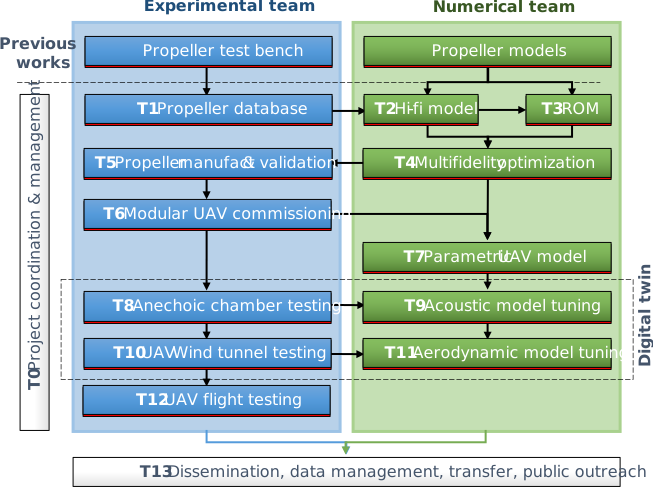
The ENOLA project will tackle the problem sequentially, first focusing on single propellers and then addressing the whole UAV, through a combined numerical and experimental approach.
-
Multifidelity Numerical Modeling: The methodology is based on the multifidelity paradigm, using a range of methods from simple, fast models (RANS, FWH acoustic analogy) to more complex and costly approaches (DES, FSI). Reduced Order Models (ROMs) will also be synthesized to facilitate rapid design optimization.
-
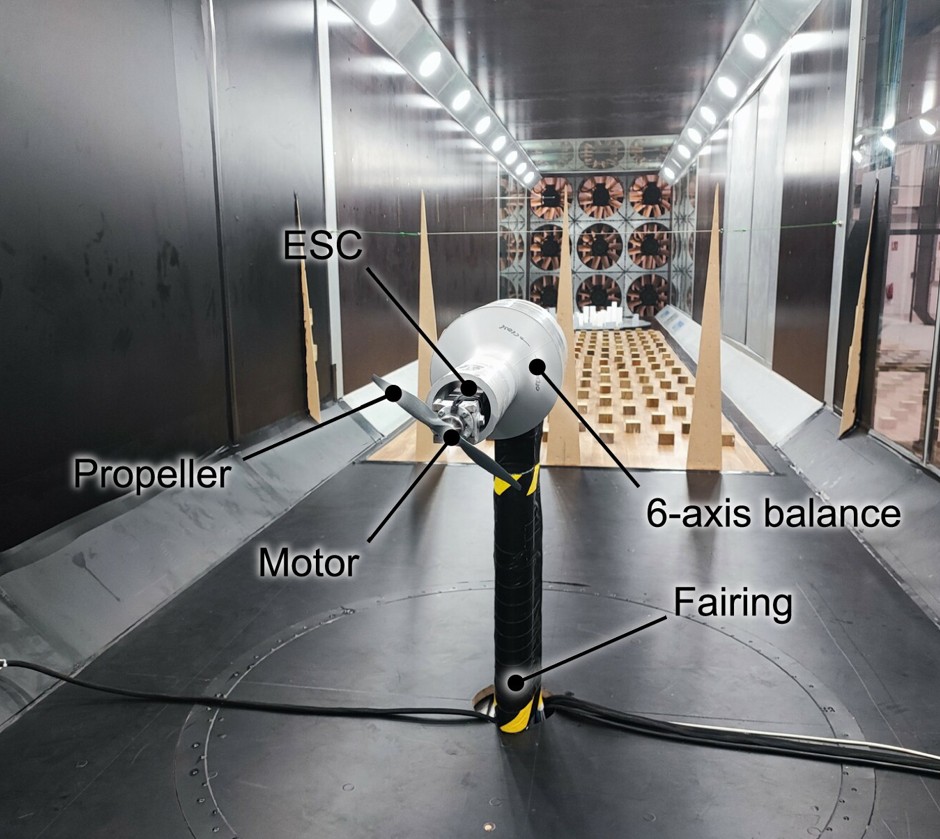
Experimental Validation: A key feature is the continuous validation feedback loop between simulations and experiments. This involves creating an experimental database of propeller performance and acoustics, manufacturing and testing optimized propellers, and commissioning a modular UAV for comprehensive testing.
-
Digital Twin Integration: The validated numerical models and experimental data will be integrated to create a digital twin of the UAV. This comprehensive model will be used to determine the optimal UAV configuration from both performance and acoustic standpoints.
Infrastructure
- CMT-UPV “Professor Francisco Payri” Wind Tunnel (2.8 x 2.8 x 22 m, up to 40 m/s).
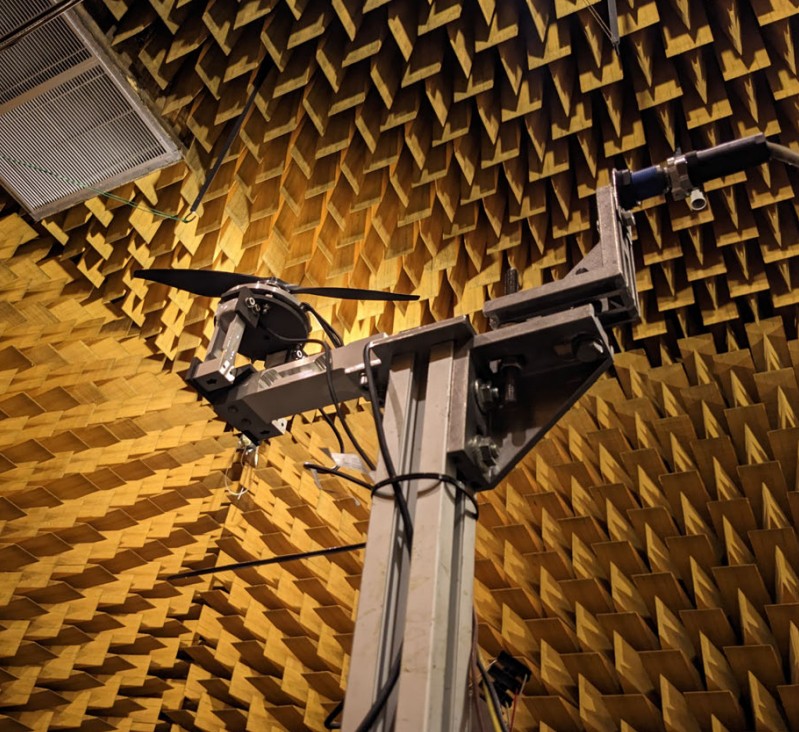
- CMT-UPV Anechoic Chamber (100 Hz cut-off, 7.5 x 6.5 x 6 m).
- HPC Clusters for high-fidelity simulations.


Latest updates
| Feb 18, 2026 | New publication assessing the MRF model for UAV CFD simulations |
|---|---|
| Dec 01, 2025 | Multifidelity surrogate presented at CEAS Torino |
| Nov 05, 2025 | ENOLA modular drone design complete |